ElevenLabs Review 2026: Pricing, Features & Best Alternatives
How we write our guides: we start from the vendor’s own announcement or documentation, not from other “best of” lists. Launch dates and features are checked against that primary source; anything reported only by coverage is labelled as reported. Prices and allowances are given only when the vendor publishes them — otherwise we say “not published” rather than guessing. We do not invent test results, prices, or rankings. Our guides are drafted with AI assistance, then reviewed and edited before publication; the final call on what we recommend is a human one.
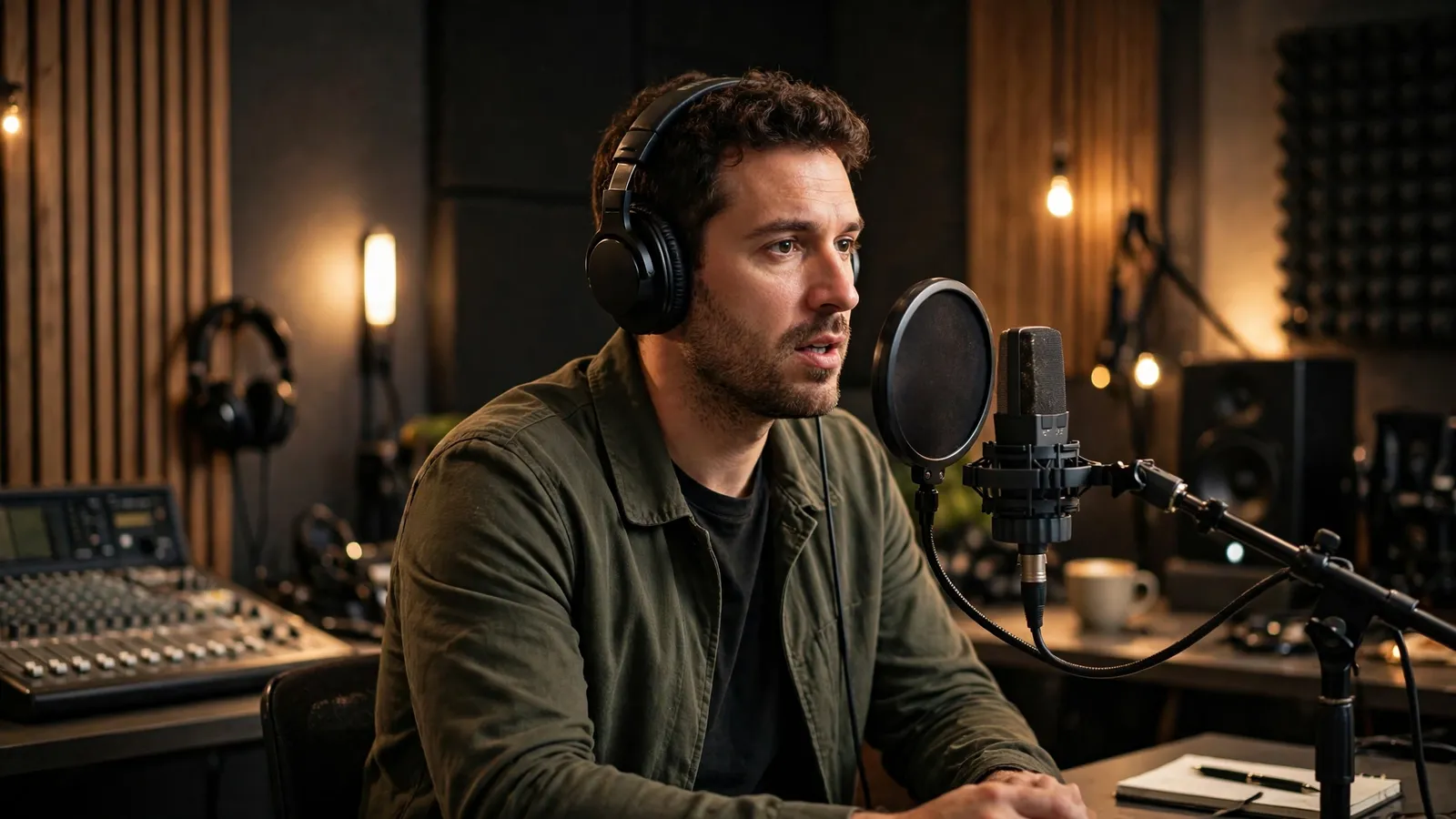
If you have watched a narrated video, listened to an AI-voiced audiobook excerpt or heard a cloned voice in a podcast this year, there is a good chance ElevenLabs generated it. The company has become the reference point for AI voice: text-to-speech that sounds like a person rather than a robot, voice cloning that can copy a speaker from a short sample, and a dubbing pipeline that re-voices content in other languages. But ElevenLabs sells all of this through a credit system that confuses almost everyone at first, across six plans whose prices have shifted more than once. This review explains how the platform works, what each plan actually buys you, where the value sits, and when a rival voice tool is the better spend.
A note on figures: ElevenLabs revises its pricing periodically, and the tiers below reflect its published pricing as of late October 2026. Credit counts and prices change often enough that you should confirm them on the official pricing page before committing to a plan — we flag the annual-billing equivalents where they differ from the headline monthly price.
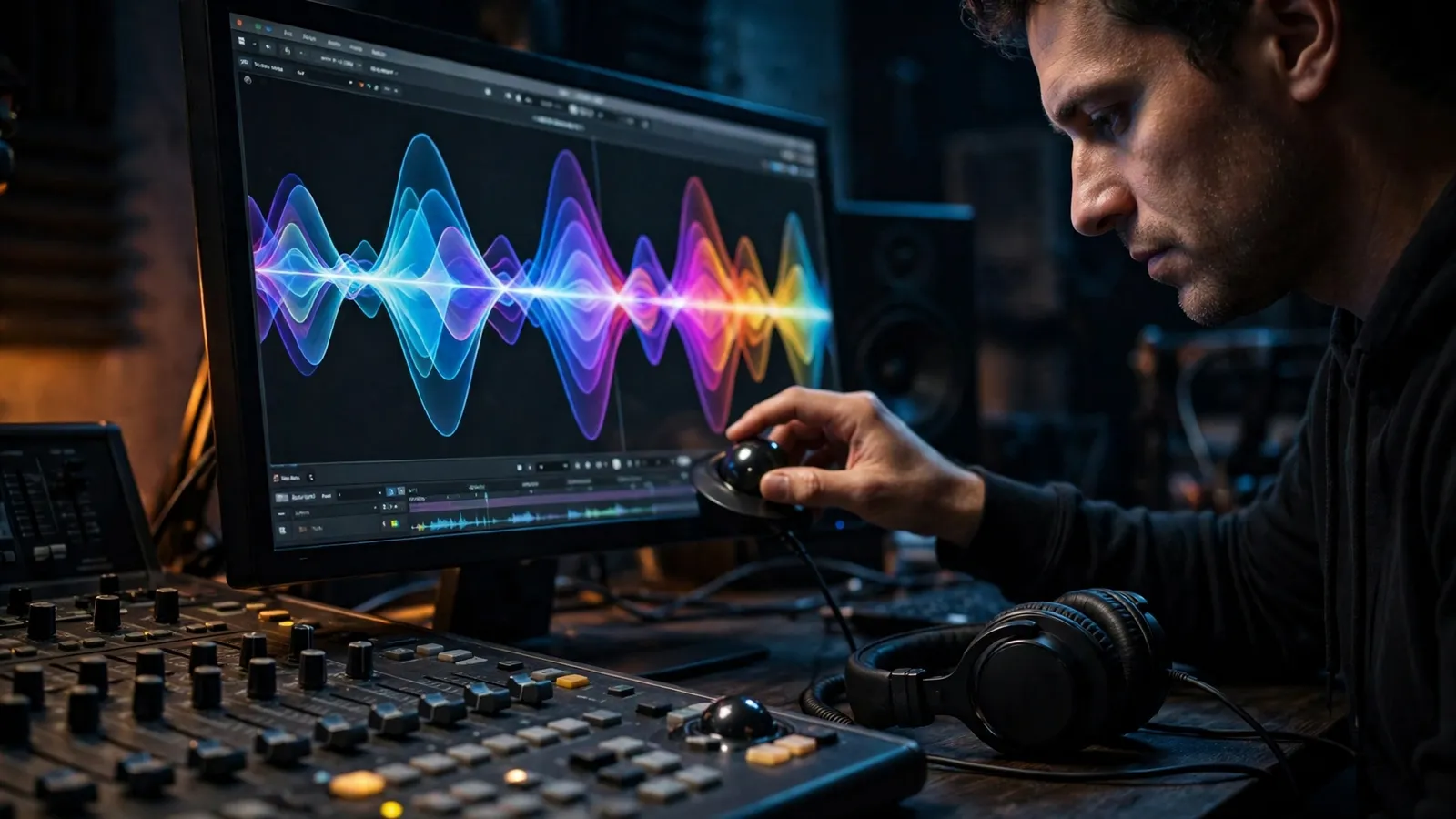
What Is ElevenLabs?
ElevenLabs is an AI audio platform built around one core capability: generating realistic speech. Its text-to-speech models convert written text into spoken audio with natural pacing, emphasis and emotion, in dozens of languages, using a large library of pre-made voices or voices you create yourself. On top of that core sit the tools that made the company famous: voice cloning, which builds a synthetic copy of a real voice from recorded samples; dubbing, which translates and re-voices videos while preserving the speaker's character; speech-to-text for transcription; and a set of developer APIs that let other products embed the same voice technology.
The platform serves two audiences at once. Creators — YouTubers, podcasters, audiobook producers, course makers — use the web studio: paste a script, pick or clone a voice, generate, and export audio. Developers and businesses use the API for the same generation inside their own apps, plus conversational voice agents for interactive products. Both audiences buy the same currency: credits. As a rule of thumb from ElevenLabs' pricing documentation summaries, one credit corresponds to roughly one character of text on its standard text-to-speech models, so 1,000 credits is about a minute of finished speech. That conversion is the key to reading the pricing table below — and to avoiding the classic beginner mistake of buying a plan that runs dry mid-project.
ElevenLabs did not invent AI voice, but it set the quality bar the rest of the industry is measured against; our ElevenLabs v4 guide covers the current model generation in depth, and our roundup of the best AI voice generators shows how the field has responded.
Key Features
Text-to-speech with a deep voice library. The flagship feature. You get a large catalogue of voices across languages, ages and styles, plus controls for stability, clarity and style exaggeration that shape how a voice performs a script. Output quality is the reason ElevenLabs leads this category: pauses land where a human would pause, and emphasis follows meaning more often than in rival tools.
Instant voice cloning. From the Starter plan up, you can clone a voice from a short audio sample. Instant cloning is fast and convenient — suitable for a consistent channel voice or internal narration — though it captures less nuance than the professional route.
Professional voice cloning. Creator plans and above unlock professional voice cloning, which trains on longer recordings to produce a markedly more faithful copy. This is the tier working voice professionals and publishers care about, and it is the feature most often cited when creators say ElevenLabs is worth paying for. Use it only with voices you have the right to clone — the platform's consent rules exist because the technology is genuinely convincing.
Dubbing and translation. Dubbing tools re-voice existing audio or video in other languages, keeping timing and speaker character. For creators localising content and businesses training international teams, this turns a catalogue of existing material into multi-language versions without re-recording anyone.
Speech-to-text and audio tools. The platform is not one-directional: it includes transcription, a voice changer (re-perform a recording in a different voice while keeping the delivery), and a voice isolator that cleans background noise from recordings. Our standalone text-to-speech guide and speech-to-text guide explain where these features fit in a wider workflow.
API and conversational agents. Every plan, including Free, includes API access, which is quietly one of ElevenLabs' most generous decisions — developers can build and test real integrations before paying anything. Higher plans raise concurrency and unlock production-grade output (44.1 kHz PCM via the API on Pro). The same infrastructure powers conversational voice agents for interactive applications.
Studio workflow. For long-form work — audiobooks, courses, narration — the studio interface organises projects beyond single generations, so a book or series keeps one voice and consistent settings across chapters. Podcasters in particular will find the workflow maps well onto episode production; see our picks for the best AI tools for podcasters for the surrounding toolkit.
ElevenLabs Pricing
ElevenLabs pricing is credit-based: each plan includes a monthly credit allowance, and generation consumes credits at roughly one credit per character of standard text-to-speech. Prices below are the published monthly prices; annual billing reduces the effective monthly cost on every paid tier (shown in brackets), and Creator has carried a first-month half-price promotion. Confirm current figures on the official ElevenLabs pricing page before buying, as the company adjusts tiers periodically.
| Plan | Price / month | Credits / month | Key additions |
|---|---|---|---|
| Free | $0 | 10,000 | TTS, API access, attribution required, no commercial use |
| Starter | $6 (about $5 on annual billing) | 30,000 | Commercial licence, instant voice cloning |
| Creator | $22 (about $18.33 annual) | 121,000 | Professional voice cloning, usage-based extra credits |
| Pro | $99 (about $82.50 annual) | 600,000 | 44.1 kHz PCM output via API, 192 kbps audio, higher concurrency |
| Scale | $299 (about $249 annual) | 1,800,000 | Multi-seat workspace (3 seats), more professional clones |
| Business | $990 (about $825 annual) | 6,000,000 | 10 seats, low-latency TTS for real-time products |
Free ($0). 10,000 credits a month — about ten minutes of standard speech — with API access included. The catches define the tier: output must carry attribution to ElevenLabs, and there are no commercial usage rights. It is a testing tier, and a good one; it is not a publishing tier.
Starter ($6/month). The most important threshold in the lineup: the commercial licence starts here. 30,000 credits plus instant voice cloning make Starter the minimum viable plan for a monetised channel, client work or any public commercial content. For many small creators, this is the correct plan.
Creator ($22/month). 121,000 credits, professional voice cloning and usage-based billing for extra credits when a big month overflows the allowance. This is the tier aimed squarely at working creators — the professional clone quality is the upgrade that matters, and the credit pool covers roughly two hours of finished narration a month.
Pro ($99/month). 600,000 credits, 44.1 kHz PCM audio output through the API and higher concurrency. Pro is a production tier: agencies, app developers and publishers generating at volume, where the API output format and parallel throughput matter more than the studio interface.
Scale ($299/month) and Business ($990/month). Scale's 1.8M credits and three-seat workspace target product teams embedding voice at volume; Business, at 6M credits with ten seats and low-latency text-to-speech, targets real-time and enterprise-scale deployments. Above Business sits a custom Enterprise arrangement. Most individual readers of this review will never need either — and should read their presence as a sign of where the platform's centre of gravity is moving: toward API volume.
The single most common ElevenLabs mistake is buying on price instead of credits. Work backwards from your output: a 10-minute video narration is roughly 9,000–10,000 credits of script. Price comparison trackers that republish vendor pricing, such as this dated pricing comparison, are a useful cross-check against the official page when tiers shift.
Multilingual Reach and the Dubbing Workflow
Voice is local in a way text is not: an accent that sounds authoritative in one market sounds foreign in another. ElevenLabs' library spans dozens of languages, and the same script can be rendered across them without hiring a single narrator — the mechanical foundation of its dubbing business. In practice, a creator with one successful English video can produce Spanish, German or Hindi versions whose narration keeps the pacing and emphasis of a performed read rather than a flat translation. That is a different product from subtitles: audiences hear a voice, not a caption. The quality caveat is honest, though — flagship languages receive the most model attention, and long-tail languages can sound flatter, so test your target language on the free tier before building a localisation plan on it. For businesses, the same pipeline re-voices training and onboarding material for international teams, which is much of why the Scale and Business tiers exist. Combined with speech-to-text for transcription, the platform increasingly covers the full loop: record, transcribe, translate, re-voice, publish.
How Credits Actually Burn: A Worked Example
Because the credit system decides whether a plan fits, here is a worked example using the standard conversion (roughly one credit per character, about 1,000 credits per finished minute — your mileage varies by model and settings). Imagine a faceless YouTube channel publishing one 12-minute narrated video a week. Each script is about 12,000 credits; with retakes and pickups, budget 15,000. Four videos a month consume roughly 60,000 credits. That is double the Starter allowance, comfortably inside Creator's 121,000 — which is why the Starter-to-Creator jump is where most growing channels land. Now scale it: a course creator producing three hours of narration in a launch month needs around 180,000 credits, which overflows Creator and points at Pro (600,000) or at buying extra credits in heavy months. The lesson generalises: estimate your monthly finished minutes, multiply by 1,000, add a third for retakes, and buy the plan whose allowance clears that number. Credits, not headline price, are the real plan size.

Voice Cloning, Consent and Safety
Any honest ElevenLabs review has to spend a paragraph on the obvious question: this technology copies voices, so what stops misuse? The platform's terms require that you only clone voices you have the right to use — your own, or someone else's with their permission — and ElevenLabs operates verification and abuse-reporting processes around cloning, including a public route for reporting unauthorised voice use. Those safeguards matter, but the practical responsibility sits with the user: publishers should keep consent records for any cloned narrator, disclose AI narration where platforms require it, and never clone public figures or private individuals for content they did not agree to. Used within those lines — an author narrating their own book in their own cloned voice, a creator maintaining one consistent channel voice — cloning is a legitimate production tool. Used outside them, it is the fastest way to lose a channel, a client or a platform account. The quality that makes ElevenLabs attractive is exactly why the rules deserve respect.
Our Editorial Rating
The scores below are ToolPilot Pro's editorial ratings, based on ElevenLabs' documented features, published pricing structure and plan terms — not aggregated user reviews. Each is out of 5.
| Dimension | Score | Why |
|---|---|---|
| Accuracy / reliability | 4.7 | In voice, "accuracy" means faithful, natural delivery — ElevenLabs' pronunciation, pacing and emotional range remain the benchmark rivals are compared against. |
| Ease of use | 4.4 | The studio is approachable for a first generation within minutes; the credit system, however, takes real effort to budget around. |
| Features | 4.8 | TTS, two grades of cloning, dubbing, transcription, voice changing and isolation, plus API and agents — the deepest audio toolkit in one place. |
| Speed | 4.5 | Standard generation is quick, and paid tiers add low-latency options for real-time use; long studio projects still render in stages. |
| Support | 3.8 | Documentation is strong, but meaningful support responsiveness tracks plan tier, leaving small creators largely self-served. |
| Value | 4.0 | Starter and Creator are fairly priced for the quality; heavy users feel the credit meter, and annual discounts reward commitment over flexibility. |
Overall editorial score: 4.4 / 5. ElevenLabs is the quality leader in AI voice and the feature list justifies it. The deductions come from the pricing model rather than the product: credits demand homework, the free tier's lack of commercial rights surprises people, and costs scale linearly with ambition.
Pros and Cons
Pros
- The most natural-sounding text-to-speech in the category, across a deep multilingual voice library.
- Two levels of voice cloning, with professional cloning that working publishers actually use.
- Commercial rights start at just $6 a month.
- API access included on every plan, including Free — rare generosity for developers.
- Dubbing, transcription, voice changing and isolation make it a full audio workshop, not one tool.
Cons
- The credit system is genuinely confusing until you learn the characters-to-credits conversion.
- The free plan cannot be used commercially and requires attribution — a trap for beginners who miss the terms.
- Pricing and credit allowances have changed repeatedly, so budgeting needs re-checking.
- Costs climb linearly: high-volume narration gets expensive compared with flat-rate rivals.
- Support quality is tiered, with the smallest customers the most self-reliant.
Who Should Use ElevenLabs?
Choose ElevenLabs if voice quality is the product: narrated YouTube channels, audiobooks, e-learning, podcast production, game and app voices. Creators publishing commercially should start at Starter for the licence, and step to Creator when professional cloning or more than half an hour of monthly narration enters the picture. Our guide to the best AI tools for YouTubers shows how voice generation fits a full channel workflow.
Choose the API tiers (Pro and up) if you are embedding voice in a product — the PCM output, concurrency and low-latency options are built for you, and the free tier's API access lets you prototype properly before spending.
Look elsewhere if your needs are occasional and light: a short voiceover here and there may be cheaper on simpler, flat-rate tools, or even free — our own browser-based text-to-speech tool covers quick jobs at no cost. And if realistic voice is only one part of a talking-head video pipeline, a bundled video platform may beat assembling tools yourself.
Best Alternatives to ElevenLabs
Murf AI. The closest like-for-like rival for creators: a studio-style voice generator with a large voice library, presentation and video sync features, and per-character pricing on some routes that can undercut ElevenLabs for narration-heavy work. If ElevenLabs' credit meter is your main complaint, Murf's simpler studio pricing is the first alternative to trial — it features throughout our best AI voice generators comparison.
OpenAI and the platform TTS APIs. Developer-focused text-to-speech from OpenAI, Google and Amazon (Polly) is typically priced per character with no studio frills. Quality has historically trailed ElevenLabs, but the pricing is predictable and the integration trivial if you already live in those clouds. Our ElevenLabs v4 guide tracks how the quality gap is evolving.
Descript. A different philosophy: an audio/video editor where you edit recordings by editing text, with voice cloning (Overdub) built in. If your workflow starts from recorded material — podcasts, interviews, talking-head video — Descript's edit-first approach can replace several tools at once, whereas ElevenLabs assumes you start from a script. Podcast workflows are covered in our best AI tools for podcasters roundup.
Dedicated voice-agent platforms. If what you actually need is a voice that talks back — receptionists, booking agents, support lines — specialist agent platforms build the conversation layer for you. Our Block Dessa voice AI guide examines one such platform in depth; ElevenLabs' own agent features compete here, but the dedicated tools bundle telephony and workflows the API alone does not.
Frequently Asked Questions
Is ElevenLabs free to use?
Yes, with limits. The free plan includes 10,000 credits a month — roughly ten minutes of standard text-to-speech — and API access. However, free-plan output requires attribution to ElevenLabs and carries no commercial usage rights, so you cannot monetise or use it in client work. Commercial use starts with the Starter plan.
How many credits do I need?
Work backwards from your scripts. One credit is roughly one character of text on ElevenLabs' standard text-to-speech models, and about 1,000 credits produces a minute of finished speech. A 10-minute narration therefore costs around 10,000 credits; a monthly hour of content fits inside Creator's 121,000-credit allowance with room for retakes.
What is the difference between instant and professional voice cloning?
Instant voice cloning (Starter and up) builds a voice from a short sample in moments — convenient and good enough for consistent channel narration. Professional voice cloning (Creator and up) trains on longer recordings and captures substantially more of the speaker's character and range. If the clone is the product — an author's own audiobook voice, for example — the professional tier is the one that matters.
Can I use ElevenLabs voices commercially?
Yes, on any paid plan. The commercial licence begins at Starter ($6 a month). The free plan is the exception: no commercial rights, and attribution is required. As with any cloning tool, you also need the right to use the voice itself — clone your own voice or one you have documented permission for.
Is ElevenLabs worth it for YouTubers?
For narration-led channels, usually yes. Starter's $6 covers the commercial licence and about 30 minutes of monthly speech; Creator at $22 adds professional cloning and roughly two hours of credits, which suits a channel publishing weekly long-form narration. Faceless channels built entirely on AI narration should budget at Creator level and count credits before committing to a publishing schedule.
Conclusion
ElevenLabs remains the voice platform everything else is measured against, and this review's 4.4 out of 5 editorial score reflects a simple reality: nobody else combines this voice quality, this cloning depth and this breadth of audio tooling in one place. Its weaknesses are commercial rather than technical — a credit system that punishes the unprepared, a free tier whose terms catch beginners out, and pricing that shifts often enough to require checking. Go in with your credit maths done and the value is real: Starter for the commercial licence, Creator for serious creators, Pro and above for production and API work. And because this company's pricing has moved more than once, treat every figure here as a late-October 2026 snapshot — the plan structure is stable even when the numbers on it are not, so choose by the tier whose rights and allowance fit your workload, then confirm its current price at checkout. Confirm the current tiers on the official ElevenLabs pricing page, and if you are still comparing the field, our roundup of the best AI voice generators puts ElevenLabs against its rivals side by side.
Reader reviews
Loading reviews…